

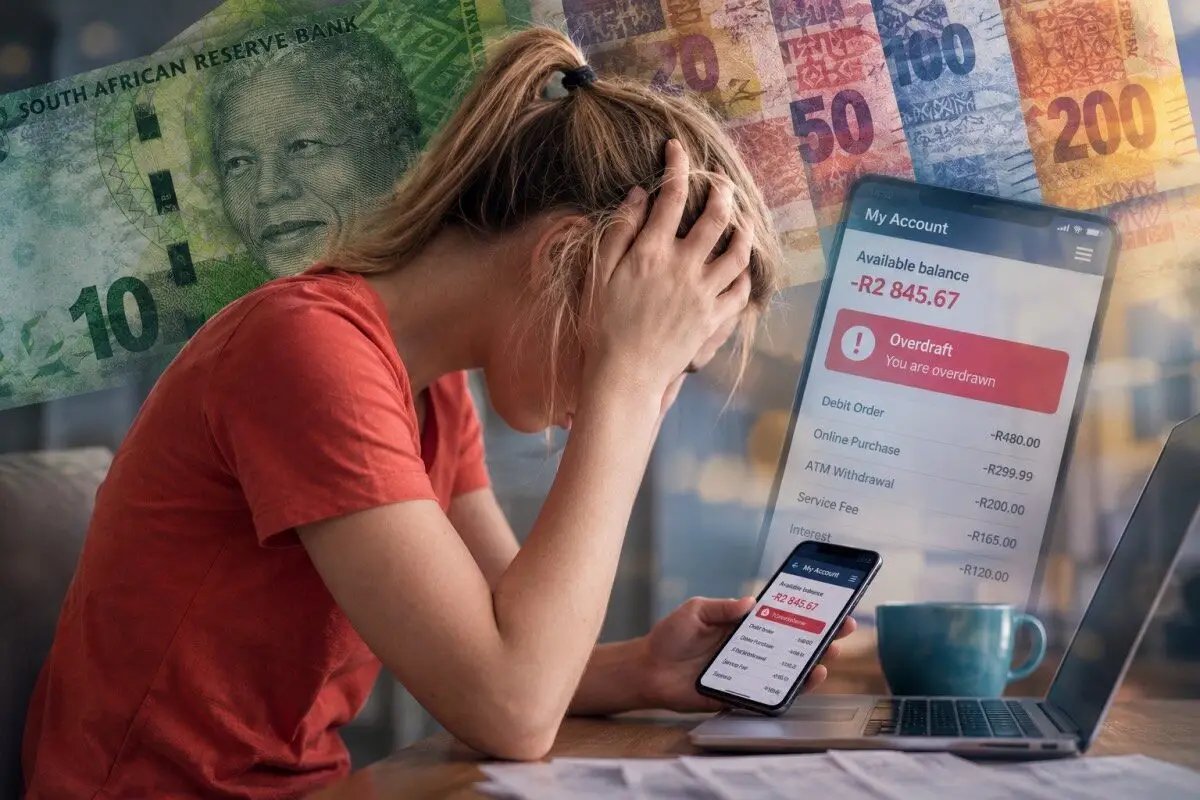

South Africa’s highest earners are supposed to have the largest guardrails to debt. Instead, according to DebtBusters’ Q2 2026 Debt Index, a growing number of these high-value consumers are finding it hard to stay afloat in South Africa. As such, taking home more than R50 000 a month does not automatically relieve your financial burdens.
In fact, DebtBusters’ executive head Benay Sager explains that consumers in this R50 000 bracket are more tempted by big-ticket purchases. And the latest available data shows that their total debt load equals 307%, with unsecured debt in this group up by 84% …
R50 000 SALARY AND STILL IN DEBT
Moreover, Sager has a fascinating explanation on why this debt trend is growing. He says banks changed their lending strategy after the COVID-19 pandemic. “Since 2021, the average unsecured loan size has increased, while the number of them has decreased. This means larger unsecured loans are being granted to fewer consumers, concentrating the credit risk on high-value earners in South Africa,” Sager says.
As such, for earners above R50 000 a month, 59% of their debt is asset-based. Stuff like vehicle finance and home loans. And 41% is typically personal loans, credit cards, overdrafts and retail accounts. Broadly speaking, income growth has kept pace with cumulative CPI inflation of 29% since 2021. But individual cost pressures are up. Petrol is up 52% over the same period, electricity tariffs up 101%. Meanwhile, average income growth is up just 23%. That gap is pushing high-value earners in South Africa who are accustomed to a certain standard of living.
HEAPING DEBT UPON DEBT
The numbers back that up starkly: 96% of debt counselling applicants already hold a personal loan at the time of applying. It’s serious enough that 63% carry a one-month payday loan. The average number of credit agreements per new applicant has climbed to 8.7, pointing to a renewed wave of borrowing.
Likewise, middle-income earners are also feeling the squeeze. For consumers earning R20 000 a month, DebtBusters says a third of their disposable income now goes to food alone. As such, this leaves little room for insurance, savings or emergencies. “The prevalence of personal loans, whatever the income bracket, indicates the severe cash flow pressure South African consumers are under,” concludes Sager.
But what do you think? Are you, or do you know anyone struggling with debt? Please share your thoughts in the comments section below …