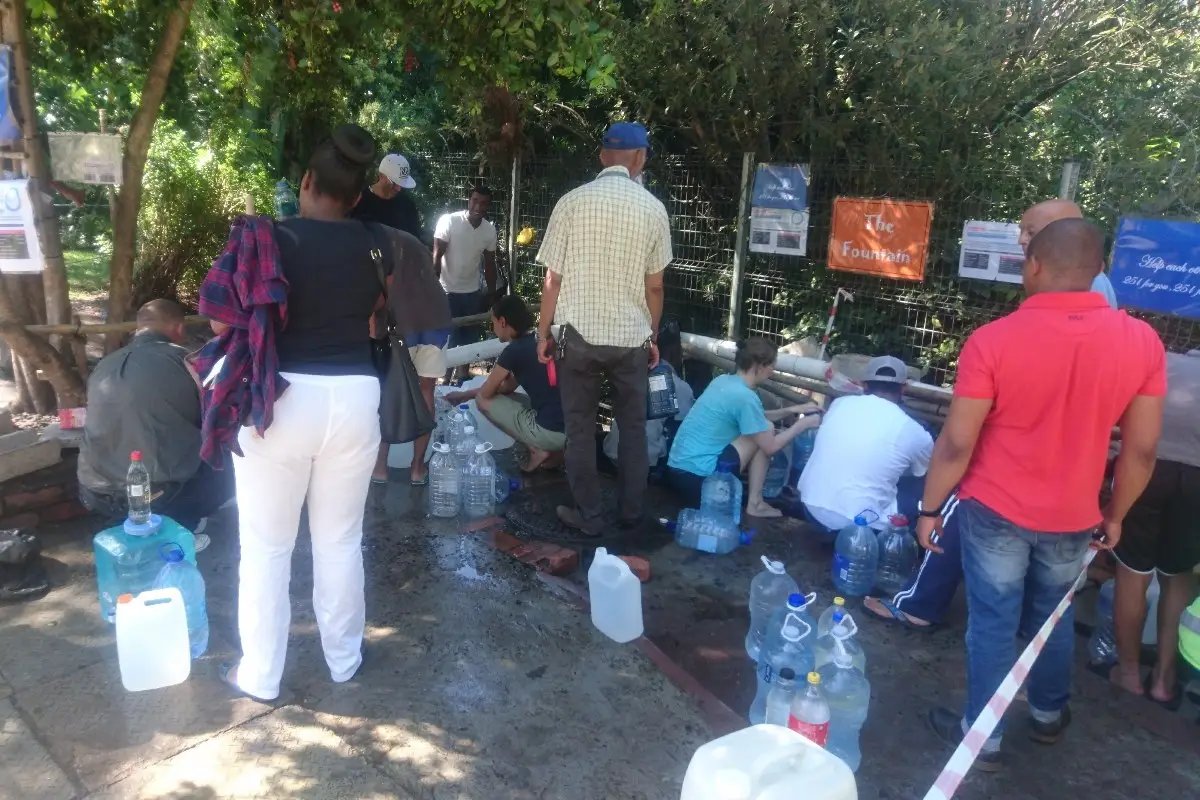

Cape Town is officially introducing water restrictions from 1 December 2026, as declining dam levels and rising consumption continue to put pressure on the city’s water supply.
The City of Cape Town confirmed the introduction of Level 1 restrictions on Monday, 16 November, following the National Department of Water and Sanitation’s latest assessment.
Residents, businesses and visitors will be expected to use at least 10% less water as the city heads into what is expected to be a longer, hotter and drier summer.
The announcement follows Water and Sanitation Minister Pemmy Majodina’s decision to reduce water allocations across the Western Cape Water Supply System.
Domestic and industrial allocations will be cut by 7%, while irrigation allocations face a 15% reduction.
dam levels continue to decline
The City’s latest figures show combined dam levels at 70.4% on Monday, 16 November. This is 13.4% lower than at the same time last year.
Meanwhile, recent hot weather has pushed daily water consumption to 951 million litres.
That is more than 91 million litres above the City’s target of 860 million litres per day.
The City estimates that households need to reduce consumption by at least 10% this summer and into next winter.
“Level 1 restrictions give us the opportunity to manage demand early, protect our available water resources and reduce the risk of more stringent restrictions later,” said Leonardo Manus, the City’s Executive Director for Water and Sanitation.
What Cape Town’s Level 1 water restrictions mean
From 1 December, residents should aim to use no more than 85 litres of water per person per day.
This includes water used for personal hygiene, cooking, cleaning and laundry.
The restrictions also introduce specific rules for outdoor water use:
These restrictions are in addition to the City’s permanent Water By-law regulations. Cape Town’s Level 1 restrictions are legally enforceable, with spot fines of R1 500 to R5 000 for applicable violations.
Manus urged residents and businesses to play their part, saying: “Every household, visitor, business and organisation has a role to play.”
The City says even small changes, including shorter showers, fixing leaks and running washing machines only with full loads, can make a difference.
Driest July on record
Cape Town witnessed a drier-than-usual winter in 2026, while large parts of the south-western Western Cape experienced their driest July on record as the global effects of El Niño are being felt.
Unlike other major South African cities, Cape Town has a ‘Mediterranean’ climate, with most of the rain falling in winter.
City officials are trying to avoid a repeat of the 2017/18 Cape Water Crisis, and the looming threat of a ‘Day Zero.’